China produces over 70% of the world’s cashmere, and Inner Mongolia stands at the top of this pyramid—and within Inner Mongolia, the Alxa League (Alashan) is the crown jewel.
Alxa’s Gobi Desert climate is brutal: -30°C (-22°F) winters and 40°C (104°F) summers. This extreme temperature swing forces Alxa cashmere goats to grow a super-fine undercoat (13–14.5μm) to survive—thinner than most other regions. The local “white grass” and mineral-rich water also infuse the fibers with exceptional strength and softness.
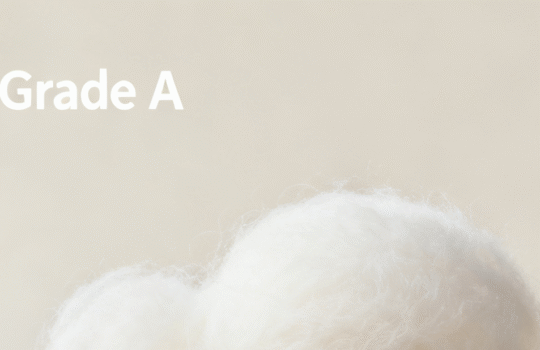
Why it matters for US buyers: Alxa cashmere is globally recognized as “Grade A+”—it’s softer than many counterparts, more durable, and retains warmth without bulk. This is exactly the “lightweight luxury” young rebels crave for layering under leather jackets or wearing solo.
2. Iran (Persian Cashmere): The Ancient Contender
Iran has a 2,000-year history of cashmere production, and its fibers (from goats in the Zagros Mountains) are prized for their silk-like luster. Persian cashmere often has a slightly warmer tone and fine texture, making it popular for high-end couture.
The catch: Political and trade restrictions make genuine Persian cashmere hard to source consistently in the US. Many “Persian cashmere” products on the market are blends, not the real deal.
3. Nepal & Bhutan: The Himalayan Artisans
Himalayan cashmere (known locally as “pashmina”) comes from goats grazing at 4,000+ meters. The high altitude and cold air produce soft fibers, and Nepali artisans are famous for their hand-spinning techniques.
The catch: Most Himalayan cashmere is thin—great for scarves, but too delicate for everyday sweaters. It also tends to pill faster than Inner Mongolian cashmere, which is a turnoff for US shoppers who want durability.
4. Scotland & New Zealand: The “Processed” Powerhouses
These regions aren’t top raw material producers, but they’re leaders in cashmere processing. Scottish mills (like Pringle of Scotland) are known for strict quality control, while New Zealand focuses on ethical herding.
The catch: They rely on importing raw cashmere (often from China or Iran), so the final product’s quality depends entirely on the origin of the fiber—not the processing country.
Why We Bet Everything on Alxa Cashmere: It’s “Soft Gold” for Rebels
When we swapped neckties for cashmere, we knew the fiber had to match our rebel ethos: uncompromising quality, no stuffy stereotypes. Alxa cashmere checked every box—and then some.
1. It’s the “Gold Standard” for Softness & Durability
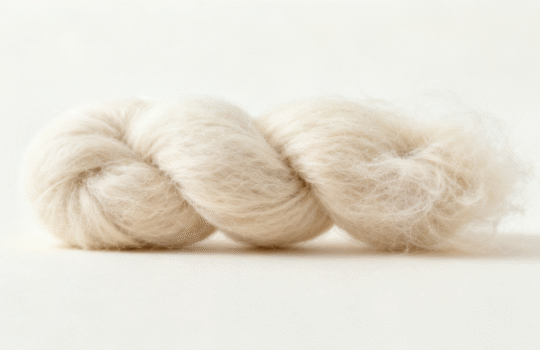
Our Alxa cashmere fibers are 14.5μm max—so soft it feels like “wearing a cloud,” but strong enough to handle your busy US lifestyle (think: commuting, concerts, coffee runs). Unlike thinner Himalayan cashmere or coarser wool blends, it resists pilling and retains its shape for years.
2. Ethical Sourcing That Aligns With Your Values
We work directly with 50+ Alxa herding families who follow “humane shearing” practices—no over-grazing, no harsh treatment of goats. This isn’t just a marketing buzzword: US millennials and Gen Z are 2x more likely to buy from brands with transparent, ethical sourcing (per Google Consumer Insights 2025).
3. It’s Made for the Rebel Aesthetic
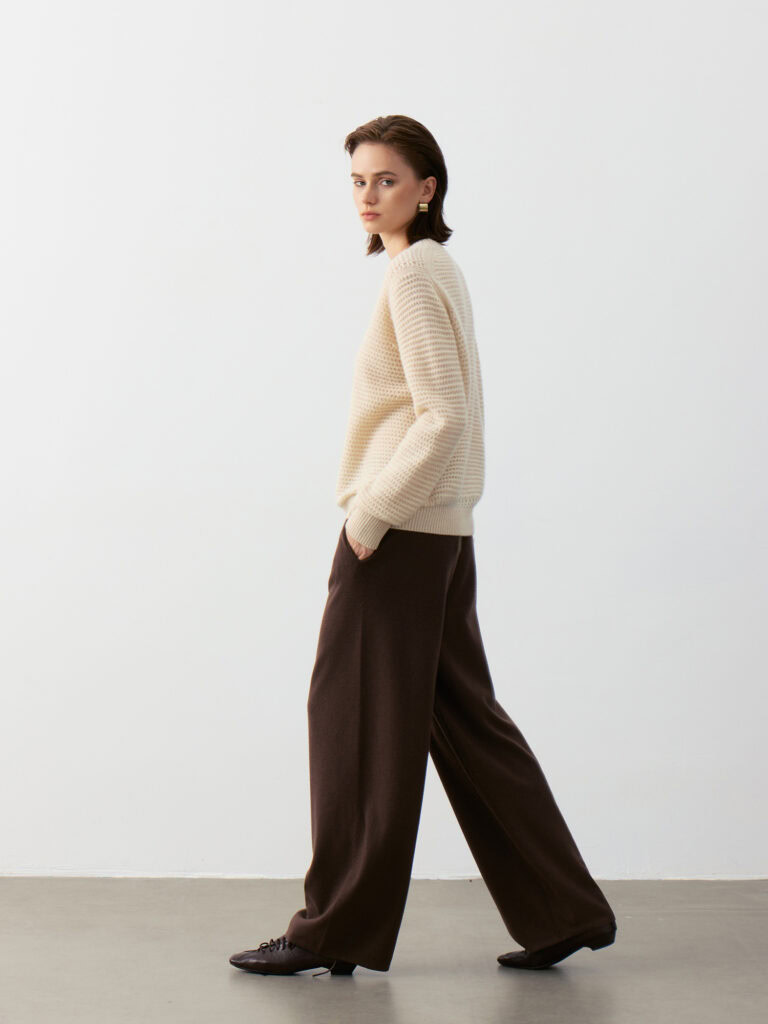
Alxa cashmere’s lightweight, breathable texture is perfect for our edgy designs—whether it’s an asymmetrical cropped sweater or a distressed oversized pullover. It doesn’t weigh you down like thick Scottish-processed cashmere, and it doesn’t feel “grandma-like” like some Iranian blends. It’s cashmere for your style.
How to Verify Your Cashmere’s Origin (For US Shoppers)
Don’t let brands trick you with vague “Chinese cashmere” claims—look for these signs to ensure you’re getting genuine Alxa quality:
Check the label: Look for “100% Alxa Inner Mongolia Cashmere” or fiber diameter listed as “13–14.5μm.” We print this on every product tag—no secrets.
Ask for溯源 (Traceability): Reputable brands can share the herder cooperative or region where the cashmere was sourced. We even have a QR code on our packaging that links to Alxa’s pastures.
The touch test: Alxa cashmere feels “buttery”—not scratchy, not overly thin. Rub it against your wrist; if it irritates, it’s not Alxa.
Conclusion: Alxa Cashmere Is the Rebel’s Choice for “Soft Gold”
The world has great cashmere, but Alxa’s extreme climate, ethical herding, and ultra-fine fibers make it the best fit for young US shoppers who want luxury without compromise. Our Rebel Cashmere isn’t just a sweater—it’s a piece of Alxa’s Gobi Desert, spun into something bold, soft, and uniquely yours.
When you wear our Alxa cashmere, you’re not just joining a fashion trend—you’re wearing the “soft gold” that’s been trusted by cashmere experts for decades, reimagined for rebels like you.



02181-e1761483805409-540x350.jpg)
03802-e1761482714246-540x350.jpg)
