Introduction: Break the Cycle of Material Confusion
For too long, the fashion industry has blurred the lines between cashmere, wool, and even synthetic imposters—leaving US shoppers stuck with “grandma’s scratchy wool sweaters” or overpriced imposters. As rebels of the cashmere world (the ones who ditched neckties to reinvent cashmere for the bold and young), we’re here to arm you with the knowledge to spot premium cashmere and laugh in the face of mediocre materials. Let’s dive in
1. Cashmere vs Wool: The Fundamental Differences
Most people confuse cashmere and wool—but they’re as different as a quiet library and a rock concert. Here’s how to tell them apart:
Fiber Origin & Fineness
Wool comes from sheep (any breed). Its fibers are thicker (typically 25–40μm) and coarser—hence that itchy feeling you get with low-quality wool sweaters.
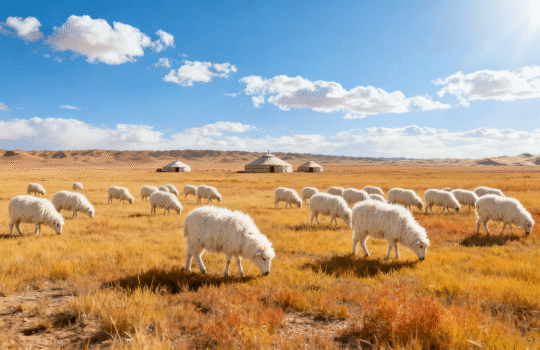
Cashmere comes from the undercoat of cashmere goats (primarily in Mongolia, China, and Iran). The best cashmere fibers are 14.5μm or finer—so soft, you’ll forget it’s not a cloud.
Touch & Comfort
Wool: Often scratchy, heavy, and prone to making you sweat (not ideal for “rebel” layering or all-day wear).
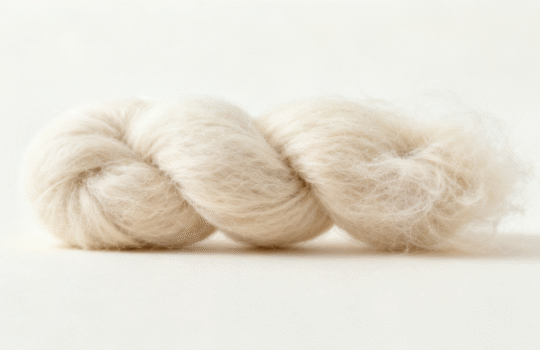
Cashmere: Buttery-soft, lightweight, and breathable—our rebel cashmere feels like a gentle hug, not a restrictive cage.
Warmth-to-Weight Ratio
Wool is warm but bulky. A wool sweater that keeps you cozy will leave you looking like a marshmallow.
Cashmere is 3x warmer than wool at a fraction of the weight. Our “Rebel Cashmere” pieces are thin enough to layer under a leather jacket but warm enough for fall nights—that’s the rebel balance of style and function.
Don’t let brands trick you with “cashmere blends” or straight-up lies. Use these tests to separate the real deal from the fakes:
Test 1: The “Pinch & Rub”Grab a section of the fabric and pinch it between your fingers. Premium cashmere will feel incredibly soft—no roughness or stiffness. Rub it against your wrist; if it’s scratchy, it’s likely wool or a low-grade cashmere mix.
Test 2: The “Light Check”Hold the sweater up to a light source. Premium cashmere has a tight, even weave—you shouldn’t see excessive light peeking through. If it’s overly sheer or has uneven gaps, the quality is iffy.
Test 3: The “Label Audit”In the US, brands must disclose fiber content. Look for labels that say “100% Cashmere” (or a high percentage, like 95%+). If it says “Cashmere Blend” with wool or synthetics, you’re not getting the full rebel experience. Also, check for origin—Mongolian or Inner Mongolian cashmere is among the finest.
Test 4: The “Price Reality Check”Let’s be real: Premium cashmere isn’t cheap. If a “cashmere” sweater costs less than $100, it’s probably wool or a synthetic blend. Our rebel cashmere is priced for quality—because we refuse to sacrifice softness or ethics.
Test 5: The “Burn Test” (With Caution!)Only do this with a tiny, hidden fabric swatch! Burn a small piece:
Cashmere burns slowly, smells like hair (since it’s animal fiber), and leaves soft ash.
Wool burns similarly but may be coarser.
Synthetics melt, smell like plastic, and leave hard residue.
3. Cashmere vs Other Imposters: Don’t Be Fooled by “Faux Cashmere”
Synthetic fabrics (like acrylic or polyester) often masquerade as cashmere. Here’s how to outsmart them:
Synthetics feel “plasticky”—even when soft, they lack cashmere’s natural “give” and breathability.
They pill (form little balls) after just a few wears—cashmere pills less, and high-quality cashmere can be de-pilled to look new.
They’re bad for the planet—our rebel cashmere is sourced ethically, while synthetics rely on fossil fuels and contribute to microplastic pollution.
4. Why Rebels Choose Cashmere (Not Just Wool or Fakes)
As the brand that ditched neckties to reinvent cashmere for the bold, we stand by this: Cashmere is the rebel’s choice for luxury that doesn’t compromise on comfort or style.
It’s soft enough to wear against your skin (no more itchy wool-induced rashes).
It’s lightweight enough to layer under a leather jacket or over a graphic tee—perfect for the rebel who hates being boxed into “one style.”
It’s durable when high-quality—our cashmere is made to last, so you can rebel in style for years.
Conclusion: Be a Material Rebel—Choose Cashmere, Choose Quality
Stop settling for scratchy wool or synthetic imposters. Use these tips to spot premium cashmere, and join the rebellion of young adults who demand style, comfort, and integrity from their clothes.
Our rebel cashmere isn’t just a sweater—it’s a statement. A statement that you refuse to blend in, that you value quality over hype, and that you know the difference between “meh” and “hell yeah.”



02181-e1761483805409-540x350.jpg)
03802-e1761482714246-540x350.jpg)
